


Ενδιαφέρουσες οι Εξελίξεις στο Παγκόσμιο Φροντιστήριο . Καθημερινά με τον πολύ πρωινό καφέ παρακολουθώ τις Τάσεις , μέσω της Ειδησεογραφίας και της Αυτόματης Μετάφρασης , στην Shadow Education . Παράλληλα με το Διαδικτυακό Φροντιστήριο που παίρνει αργά αλλά σταθερά μερίδιο , στην μακρινή Ιαπωνία , την οποία μάλιστα αυτές τις μέρες επισκέπτονται ανήσυχοι Τούρκοι Φροντιστές , η Goldman Sachs μελετά την Riso Kyoiku . Ένα παραδοσιακό ομαδικό juku που μετατοπίζεται στην αυξανόμενη ζήτηση της ατομικής διδασκαλίας μέσω του προγράμματος “Thomas” . Τί προτείνει ; Έναν Καθηγητή για κάθε Μαθητή σε μια Τάξη ! Κάπως έτσι θυμήθηκα και τον Κωνσταντίνο Παπαγιαννούλη που έγραφε πρόσφατα για την Οικονομία του Διαμοιρασμού και για μία διαφορετική προσέγγιση του Φαινομένου των “Μαύρων” Ιδιαιτέρων από τα οργανωμένα Φροντιστήρια ! Και για να στεναχωρήσω τους γιαλαντζί “Νεοφιλελεύθερους” των Βαλκανίων , το Franchise στην Παιδεία συνιστά μια διαρκώς αναπτυσσόμενη επιχειρηματική πρακτική . Με ποιοτική τυποποίηση και οι Εκπαιδευτικές Υπηρεσίες έχουν πλέον ταυτότητα . Είμαστε στην Εποχή των “Εμφιαλωμένων” Υπηρεσιών και το Χύμα Κρασί από το Χωριό είναι συχνά στα πρόθυρα της Οξείδωσης . Μελετήστε και τους σχετικούς συνδέσμους ! Πάντως και το Διήμερο 2 & 3 Μαρτίου στην Θεσσαλονίκη θα μιλήσουμε εφ΄ όλης της ύλης !
Κι Αρχή Καλός μας Χρόνος

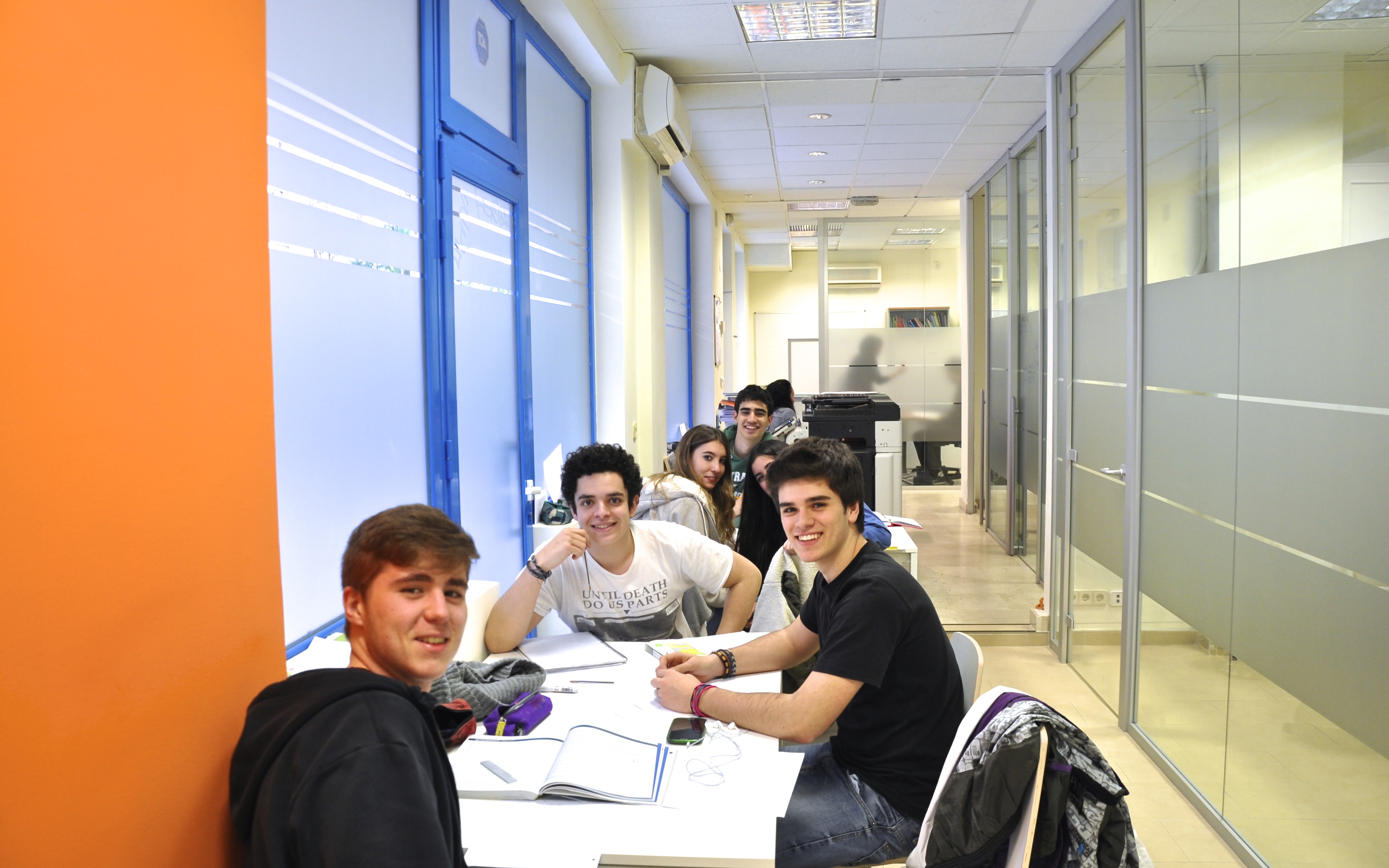
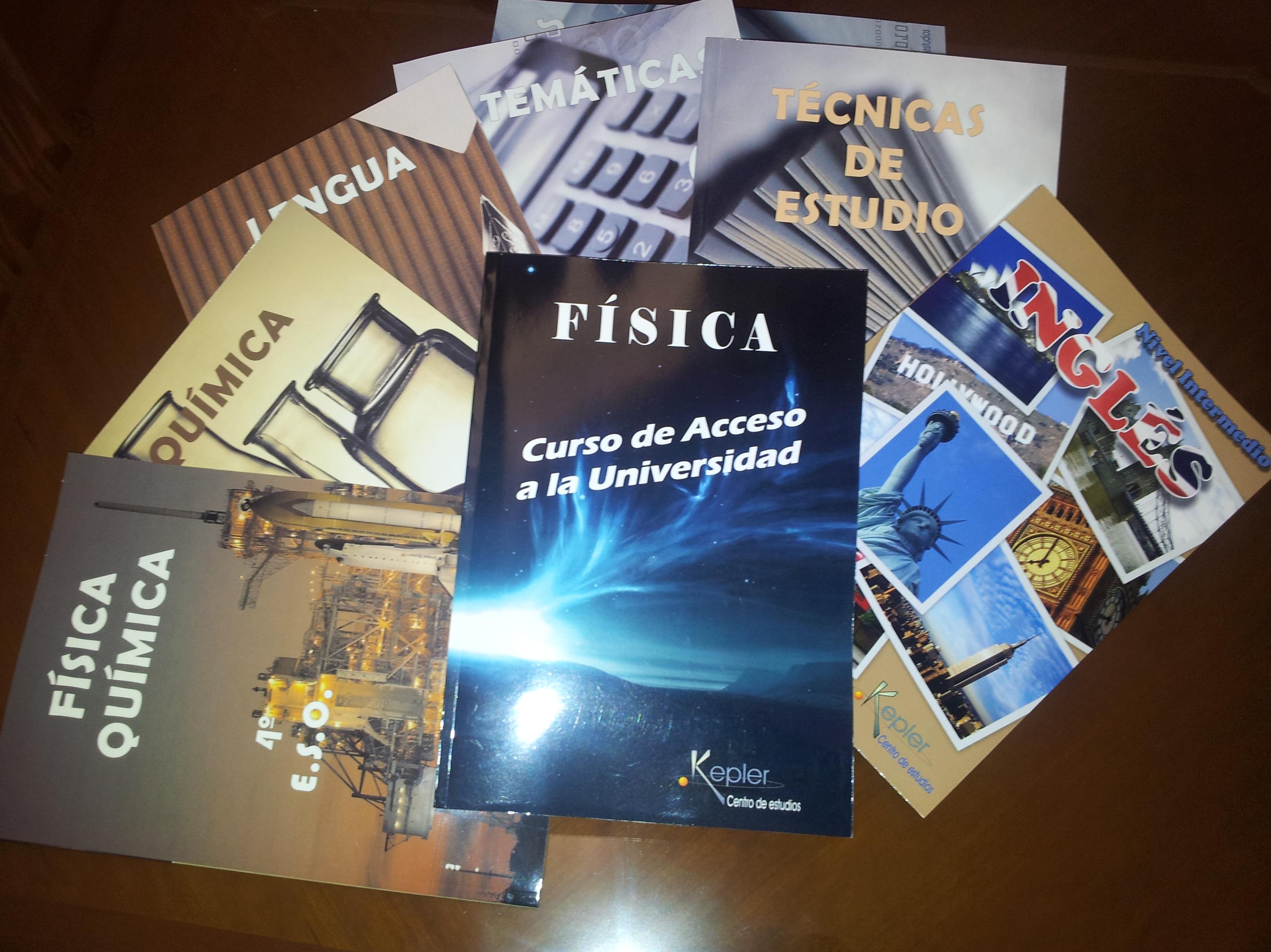
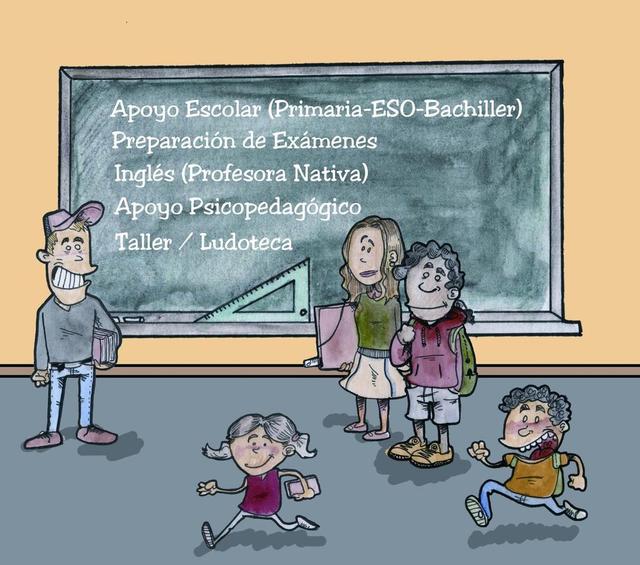
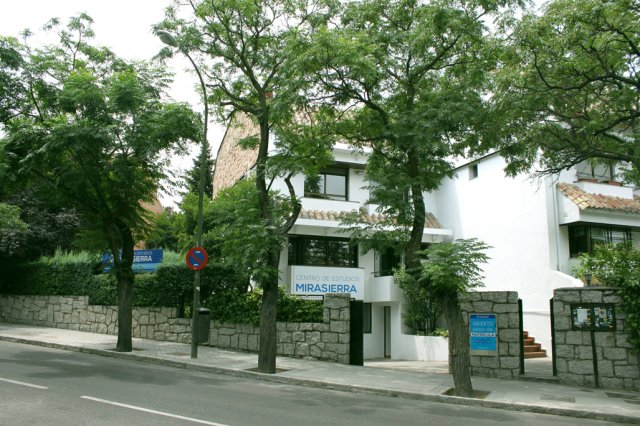
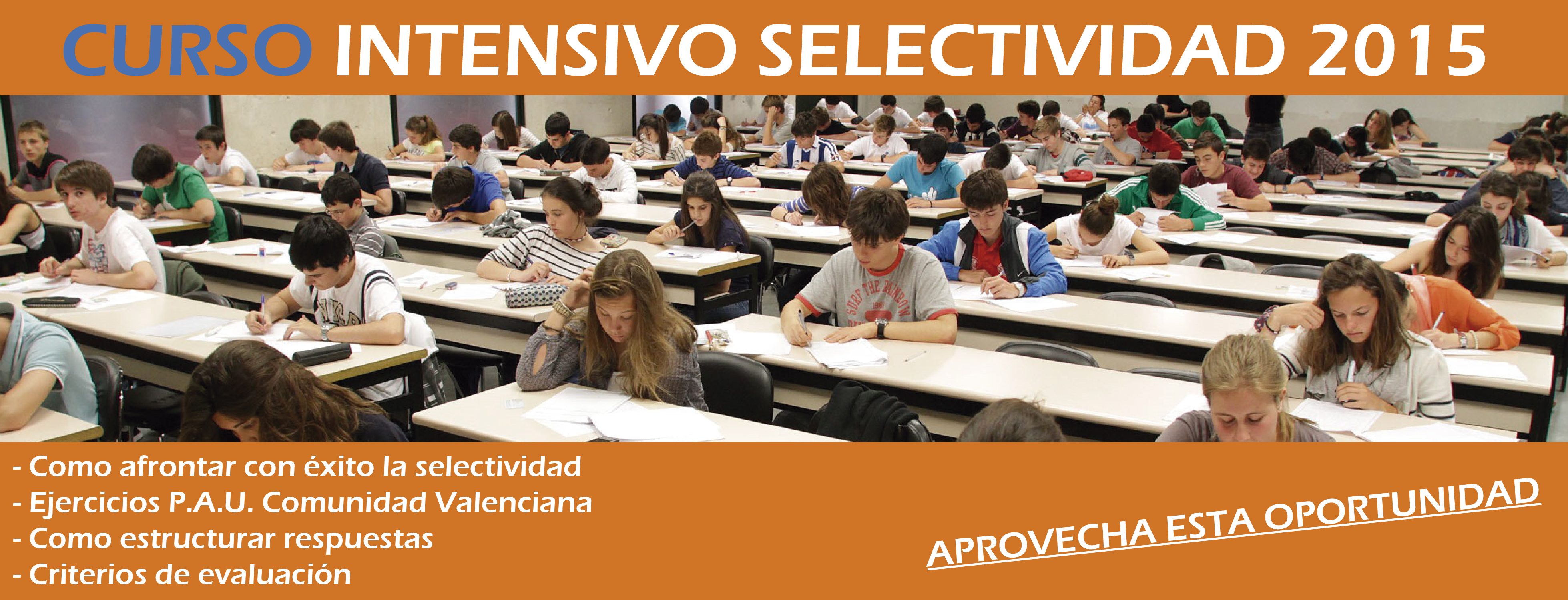
Ολική Επαναφορά από αύριο το πρωί … Φύλλα Εργασίας , Διαγωνίσματα Προσομοίωσης , Μαθήματα , Σεμινάρια , Επιμορφωτικές και Κοινωνικές Δράσεις … Το Φροντιστήριο ως Διεθνές Εκπαιδευτικό Φαινόμενο Αξιολογείται , Επιλέγεται και Κυριαρχεί στην Παιδεία … Στο Παγκόσμιο Χωριό οι Ιδιωτικές Δαπάνες για την Εκπαίδευση έχουν προ πολλού υπερβεί την Κρατική Επιδότηση … Και αυτό σηματοδοτεί την Απόσυρση του Κράτους που αρχίζει να προσανατολίζεται στην σταθμισμένη χρηματοδότηση υπέρ των Αδυνάτων … Δεν μπορεί το Κράτος να Παράγει Παιδεία ούτε να γίνει το Θερμοκήπιο της Καινοτομίας … Οι Κοινωνίες Αυτορρυθμίζονται Σύντροφοι … Εδώ όμως , Εν Ελλάδι , ο Νόμος της Αδράνειας είναι εξαιρετικά αργός και βολικός … Εμείς ας μην γίνουμε Δορυφόροι της Αδράνειας … Με Έμφαση στην Ιστορία και στο Διεθνές Παράδειγμα που συστηματικά υποβαθμίζεται … Οι εικόνες προέρχονται από την θεαματική άνθηση των Ισπανικών Φροντιστηρίων που έχουν επιβληθεί σε μία χώρα στην οποία τα μισά Σχολεία είναι Ιδιωτικά … Για την αναζήτησή τους keywords … Centro de Estudios … Selectividad … Pruebas de Acceso a Estudios Universitarios … PAU … PAEU … Bachillerato … Να μην ανοίξω βραδιάτικα το Εξεταστικό της Ιβηρικής και ξυπνήσω μερικούς από την Ονείρωξη της Ελεύθερης Πρόσβασης με ισπανική υποχώρηση αντί ισπανικής … Κι Αρχή Καλός μας Χρόνος !
La Previa de la PSU 2015
289.244 Έφηβοι της μακρινής Χιλής ξεκινούν σήμερα τις δοκιμασίες της περίφημης Prueba de Selección Universitaria … Το σχετικό ρεπορτάζ του CNN Chile είναι ένα απλό μηχανικό ανάλογο με τις τηλεοπτικές ανταποκρίσεις περί των Εξετάσεων που διεξάγονται ανά τον Κόσμο … Στον Εθνικό Διάλογο οι Φωστήρες των Ατέρμονων Μεταρρυθμίσεων , που έχουν τελικώς απορυθμίσει την Παιδεία , ας ανατρέξουν στην κεκτημένη γνώση πριν ανακαλύψουν εκ νέου τον Τροχό και πριν επιλύσουν με γνώσεις Φυσικής το Παράδοξο των Τροχών του Αριστοτέλη μαζί με το Άλυτο της Ελεύθερης Πρόσβασης … Στο Παγκόσμιο , Παράδοξο και Παρόμοιο Κόσμο της Εκπαίδευσης υπάρχει και η “Αντισταθμιστική Παιδεία” των Φροντιστηρίων που στην Χιλή ονομάζεται Preuniversitario … Τα καταπολέμησε ο Πινοσέτ γιατί ήταν Σχολεία Ελευθερίας και Αντίστασης … Θα επανέλθω με τα Θέματα των Χιλιανών Εξετάσεων … Όσο για τον Ισοδύναμο Όρο της “Αντισταθμιστικής Εκπαίδευσης” , εξαίρετος Συνάδελφος , που ανελλιπώς μελετά το Ιστολόγιο , μας υπενθυμίζει ότι η Compensatory Education είναι μάλλον ατυχής όρος τουλάχιστον ως προς την διεθνή επεξήγηση της χρήσης της … Φροντιστήριο Σύντροφοι , Κρατικό , Κοινωνικό , Ιδιωτικό , Συνεταιριστικό … Φροντιστήριο και δεν είναι Ντροπή … Και για να δώσω και μια Ελληνική Είδηση , γιατί όταν ταξιδεύεις μαθαίνεις , το Voucher ήρθε στην Φροντιστηριακή Εκπαίδευση … Ευρηματικό Φροντιστήριο διαφημίζει την υπάγωγή του σε Πρόγραμμα που επιδοτεί τα Δίδακτρα και Εξασφαλίζει με 250 ευρώ ετησίως , μόνο , ολοκληρωμένη Προετοιμασία … Η Φαντασία του Ανταγωνισμού Επινοεί Κουπόνια ή Αγνοούμε Υπαρκτά Προγράμματα ;
Εξετάσεις στην Κορέα και τα Δικά μας
Παν-Κορεατικές σήμερα … Να και το σχετικό ρεπορτάζ … Στα δικά μας τώρα … Η απουσία του Μείζονος Θέματος του Κλάδου από την Θεματολογία της Συνέλευσης του ΣΕΦΑ προδικάζει πιθανότατα το αίσιο της έκβασής του … Πραγματική Νότα Αισιοδοξίας και Επιστροφή στην Κανονική Ζωή … Επί των προτεινομένων αλλαγών του Καταστατικού , καλό θα είναι να τεθούν , πριν από την Συνέλευση , σε Δημόσια Διαβούλευση … Για να καταθέσουμε Όλοι τις προτάσεις μας … Ο Κλάδος θα πρέπει να προετοιμασθεί και για τα Επόμενα … Η χθεσινή Ανακοίνωση Τύπου του Υπουργείου Παιδείας αναφορικά με την 17η Νοέμβρη σημειολογικά αφήνει να διαφανεί η πρόθεση των Συμβάσεων καθώς έχει και εργασιακές προτροπές … Για Πρώτη Φορά υπάρχει σχετική ανακοίνωση , η οποία βασίζεται ωστόσο σε αμφιλεγόμενα τηλεγραφήματα … Έστω και έτσι πάντως η Επίσημη Γραμμή της Αργίας με ονομαστική αναφορά στα Φροντιστήρια είναι Γεγονός … Τα ιδιαίτερα , από όσους ασκούν την τέχνη , θα γίνουν κανονικά φαντάζομαι σε πρωινό πρόγραμμα για να έχουμε και ήσυχη την συνείδησή μας …
Exams Around the World
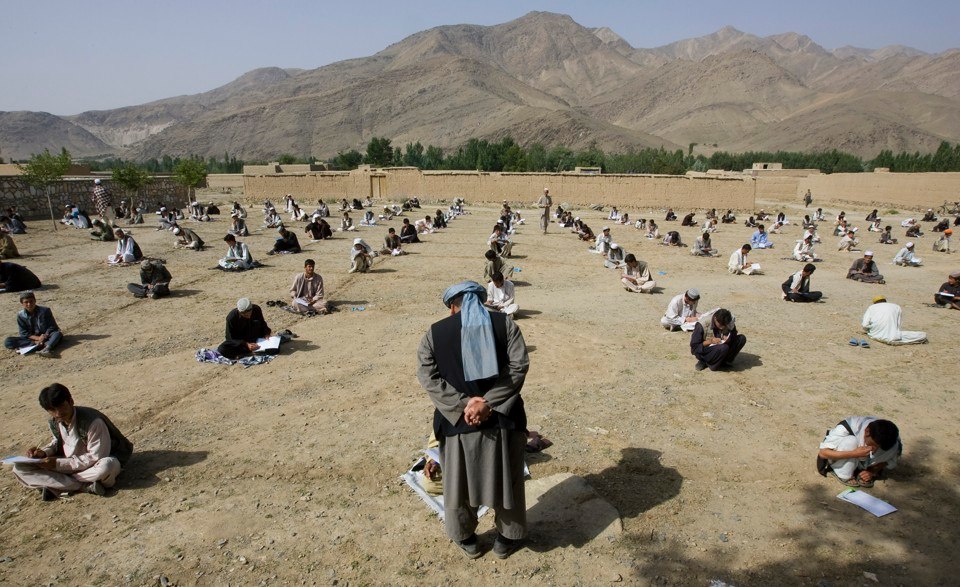
Exams Around the World … Με την ευκαιρία των Παν-Κορεατικών … Γονείς Προσευχόμενοι , Φυλαχτά Καλοτυχίας , Στρατιωτική Επιτήρηση , Εξεταστικά Έθιμα στην Οξφόρδη … A student from University College Oxford gets “trashed” after finishing her exams in Oxford, southern England , June 7, 2013 . Trashing is a practice at Oxford University in which students have all manner of messy items thrown at them by their contemporaries after finishing their exams … Στην Σύναξη της Παιανίας την Παρασκευή οι Χυμοί των Ρόδων έρεαν Άφθονοι … Δεν αναρτούμε φωτογραφίες κατόπιν παρακλήσεως των Επισήμων … Και Ειδήσεις βγήκαν … Οι μόνες πάντως που είναι ανακοινώσιμες έχουν ως ακολούθως … Μάλλον θα περικοπεί η ύλη της Χημείας … Έξω το Περιοδικό Σύστημα … Κάτι ακούγεται και για την Μηχανική των Ρευστών αλλά προσωπικά θα γίνω Ακτιβιστής στα Κάγκελα του Υπουργείου αν συμβεί … Αδράνεια στο ΙΕΠ και γνωστά Νέα Πρόσωπα στο Υπουργείο που επιχειρεί ανασύσταση της Διεύθυνσης Ιδιωτικής Παιδείας με πολιτικό προϊστάμενο … Στις Ελληνικές Καλένδες τα νέα Βιβλία … Απώλεια Κοινοτικών Πόρων … Στα δικά μας θα γελάσει και το παρδαλό γίδι μόλις σκάσουν τα πραγματικά “3,5 ευρώ” … Στα αμίμητα που ακούσθηκαν και η Ρήση του Προφήτη … “Η Επιβολή του ΦΠΑ θα Νομιμοποιήσει την Φοροδιαφυγή του Κλάδου” … Στα εσωτερικά μας μαθαίνω ότι κυοφορούνται καταστατικές αλλαγές για να “Περιφρουρηθεί το Φροντιστήριο από την Επέλαση των Αλυσίδων” … Μάλλον με τα Επαπειλούμενα Λουκέτα θα πρέπει να ασχοληθούμε … Μερικοί μου Θυμίζουν την σχετική Παροιμία που λέμε στον Τύρναβο με την σύντμηση των περισσοτέρων φωνηέντων … Τον Λύκο τον Βλέπεις , τον Ντουρό Γυρεύεις ;
Καλημέρα Κυριακή … Αποκαθιστώ τις ημερομηνίες … Την Πέμπτη 12 Νοέμβρη οι Παν-Κορεατικές Εξετάσεις … Παραθέτω και ένα σχετικό άρθρο … Στα δικά μας στασιμότητα … Στο τέλος χάριν της Πατρίδος και εν ονόματι μιας ακόμα Δόσης θα επέλθει το μοιραίο … Η Κυβέρνηση αυτή , όπως και όλες οι προηγούμενες , θα υπερασπισθεί πρωτίστως το Κράτος … Αυτή είναι η Εκλογική τους Πελατεία … Ίσως ανοίξουν και τα Play τα περίφημα Gaming Halls του λαϊκού τζόγου σε κάθε γειτονιά ως φορολογικό Ισοδύναμο της Φροντιστηριακής Παιδείας … Έτοιμα είναι άλλωστε …Θέσεις Εργασίας και Οθόνες Απελπισίας … Σίγουρες λύσεις από το υστέρημα της Ελπίδας … Στα Σχολεία εικόνες εκπαιδευτικής διάλυσης … Τα παιδιά μας όμως θα βρούνε τελικώς τον δρόμο τους … 110 Πτυχιούχοι Νοσηλευτικών ΑΕΙ και ΤΕΙ προσελήφθησαν το τελευταίο δίμηνο από το Γερμανικό Σύστημα Υγείας … 1950 ευρώ ο πρώτος μισθός … Ζητούνται Νοσηλευτές και στην Ιταλία και την Πορτογαλία … Κάποτε οι Μετανάστες μας ήταν Ανειδίκευτοι Εργάτες το 1950 … Τώρα είναι Πτυχιούχοι … Σύντροφε Οδυσσέα Πρόοδος …
Με πρωινό της μήνυμα , σήμερα Δευτέρα , η κ. Έφη Παπαδέα μου υπενθυμίζει ότι σαν σήμερα 15 Χρόνια πριν στην Επιτροπή της Δεοντολογίας των Διαφημίσεων ο Πέτρος Ευθυμίου , τότε Υπουργός Παιδείας , έχασε με 7-0 την δυνατότητα να συνεχίσει την προβολή μιας αθέμιτης προπαγάνδας … Να θυμίσω ότι η ήττα αυτή της Πανίσχυρης τότε Ηγεσίας στάθηκε η Αφορμή για την Απαγόρευση της Προσομοίωσης την επόμενη χρονιά με Πράξη Νομοθετικού Περιεχομένου … Ο Γιάννης Τσαρπαλής θυμάται με κάθε λεπτομέρεια την Συντριβή … Μαζί και ο Βασίλης Αντωνιάδης , η Έφη και ο υποφαινόμενος … Μαχητική ΟΕΦΕ σε βαθμό που η εσωτερική “αντιπολίτευση” μιλούσε για θερμοκέφαλους … Ο Ευθυμίου δεν μας έκλεισε όπως είχε υποσχεθεί στον Γιάννη Γερογιαννάκη … Ούτε την Προσομοίωση σταμάτησε ο Χρόνος … Το video είναι από την Αρχειοθήκη του Ιστολογίου … Καλημέρα σε Όλους …